Enterprise Identity Threat Detection Tools to Prevent AI Deepfake Impersonation and Credential Abuse

Enterprise Identity Threat Detection Tools to Prevent AI Deepfake Impersonation and Credential Abuse

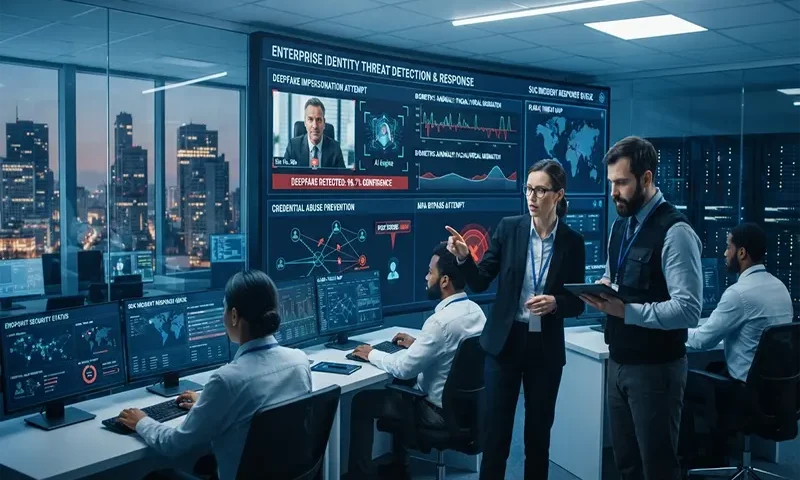
The modern cybersecurity perimeter is no longer defined by corporate firewalls or endpoint devices—it is anchored entirely in digital identity. Yet, the proliferation of generative artificial intelligence has weaponized identity attacks. Threat actors have moved far beyond basic credential stuffing and phishing, now utilizing real-time audio and video deepfake impersonation to mimic executives, finance leaders, and IT administrators during high-stakes authorization requests.

Traditional Multi-Factor Authentication (MFA) and legacy Identity and Access Management (IAM) systems were built to verify static factors like passwords, SMS codes, or hardware tokens. They were never designed to verify whether the human being on a video conference or phone call is authentic. To combat this shift, organizations are turning to advanced Identity Threat Detection and Response (ITDR) tools equipped to intercept AI-driven impersonation and sophisticated credential abuse.

The Evolving Threat Landscape: Beyond Password Spraying to Real-Time Deepfakes

For years, credential abuse was largely automated via botnets … Read the rest >>>>
Specialized High-Speed Managed WordPress Hosting Architectures for Scaling WooCommerce Stores

Specialized High-Speed Managed WordPress Hosting Architectures for Scaling WooCommerce Stores

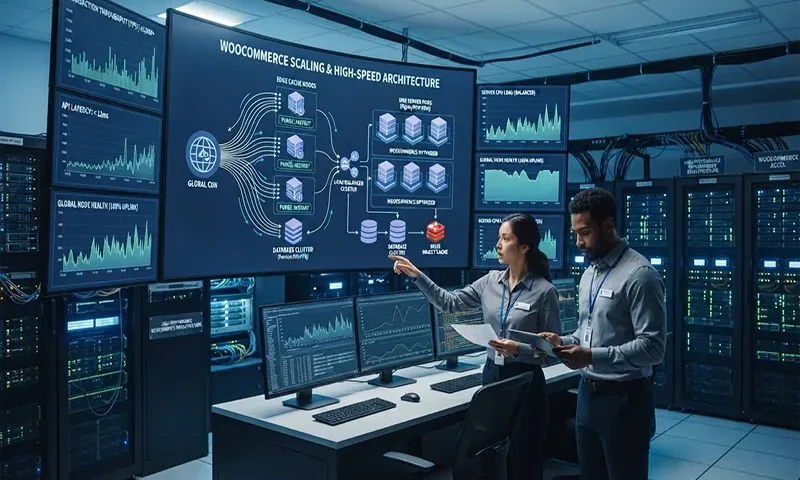
For growing e-commerce brands, nothing kills top-line revenue faster than a sluggish checkout experience during a peak traffic surge or flash sale. Even a one-second delay in page load time can cause a sharp drop in conversion rates and send frustrated shoppers straight to competitors.

While standard WordPress hosting is adequate for low-traffic blogs and brochure sites, WooCommerce stores have vastly different computational demands. Scaling a high-volume online store requires moving away from generic shared environments and adopting a specialized, high-speed managed WordPress hosting architecture engineered specifically for e-commerce workloads.

The Anatomy of WooCommerce Scale Failures

WooCommerce is an exceptionally powerful and flexible e-commerce engine, but it is also computationally heavy. Unlike static websites, e-commerce platforms rely heavily on dynamic, non-cacheable interactions.

  • The Database Bloat Trap (wp_postmeta): Every product attribute, customer order, session state, and transient record writes directly to the database. Without proper indexing and optimization, the
Read the rest >>>>
How Autonomous Agentic AI Vulnerability Scanners Are Changing Enterprise Zero-Day Patch Timelines

How Autonomous Agentic AI Vulnerability Scanners Are Changing Enterprise Zero-Day Patch Timelines

The traditional cybersecurity cadence of monthly patch cycles and quarterly penetration testing is fundamentally broken. Threat actors and researchers are no longer operating at human speed; instead, they are deploying autonomous, goal-directed AI systems that discover, validate, and weaponize vulnerabilities at machine speed.

As a result, the enterprise vulnerability landscape has compressed dramatically. The traditional window between vulnerability disclosure and exploit availability has shrunk from weeks to hours, transforming zero-day vulnerability management from a routine administrative chore into an existential, high-stakes race against autonomous algorithms.

The Paradigm Shift: From Human-Paced Discovery to Machine-Speed AI Scanners

For decades, vulnerability assessment relied heavily on static signatures, rule-based web scanners, and periodic manual code reviews or penetration tests. These legacy tools suffer from high false-positive rates and lack the contextual reasoning required to understand complex, multi-layered enterprise application logic.

The emergence of autonomous agentic AI vulnerability scanners changes this equation entirely. Unlike static … Read the rest >>>>

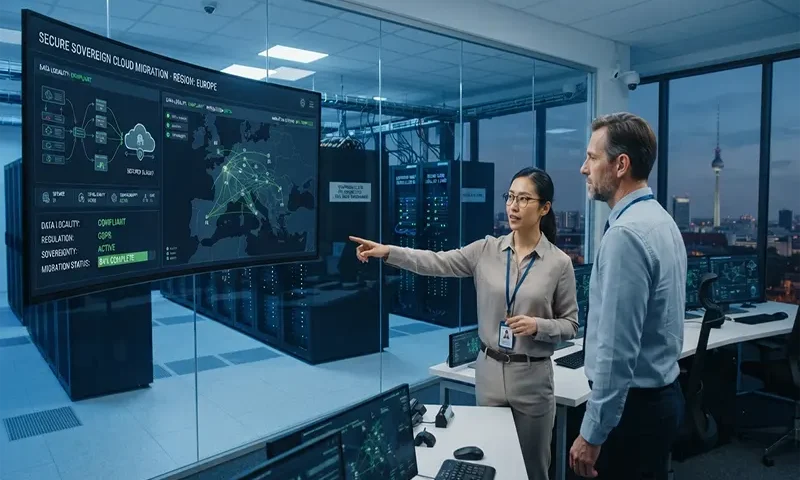
Corporate Migration to Sovereign Cloud Infrastructure to Meet Regional Data Sovereignty Regulations

Corporate Migration to Sovereign Cloud Infrastructure to Meet Regional Data Sovereignty Regulations

The global regulatory landscape for digital data has transformed from a patchwork of minor administrative guidelines into a complex matrix of stringent, extraterritorial legal frameworks. For multinational corporations and heavily regulated industries, relying solely on traditional hyperscale public cloud providers no longer guarantees immunity from cross-border legal reach or data exposure mandates. Laws such as the European Union’s GDPR, local data residency acts across Asia-Pacific, and expanding localization requirements globally mean that where data sits—and who can legally access it—is a board-level risk.

To maintain global agility while strictly adhering to local legal mandates, enterprises are executing a strategic shift toward sovereign cloud infrastructure. This transition moves past basic data storage compliance, establishing digital autonomy that protects sensitive enterprise workloads from foreign jurisdiction overreach.

The Regulatory Pressures Driving Corporate Migration

The imperative for sovereign cloud solutions stems from the friction between borderless cloud architectures and heavily bordered legal jurisdictions.… Read the rest >>>>

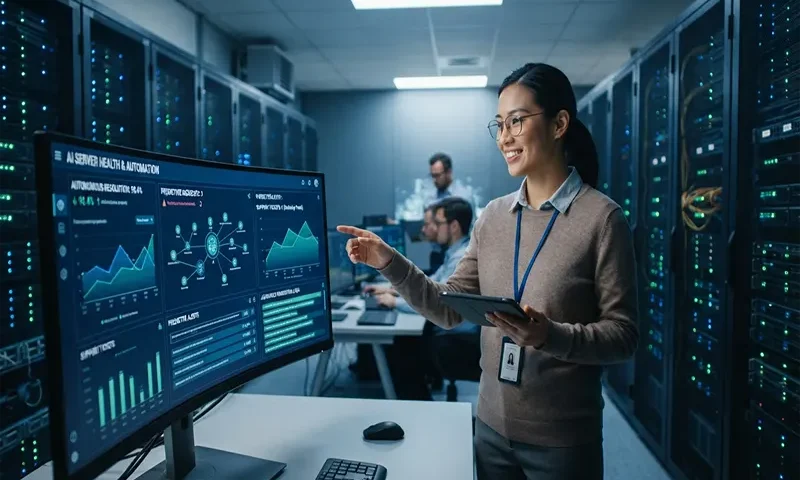
Implementing Autonomous AI Server Monitoring to Reduce Hosting Business Support Tickets

Implementing Autonomous AI Server Monitoring to Reduce Hosting Business Support Tickets

Web hosting support teams are all too familiar with the midnight scramble: a critical cluster goes down, static monitoring alerts flood the pager, and within minutes, the ticketing queue is overwhelmed with frantic messages from clients asking why their websites are offline. Traditional reactive monitoring—relying on fixed CPU thresholds, basic ping checks, and rigid alert rules—creates massive alert fatigue for sysadmins and leaves customers waiting in the dark.

For modern hosting businesses, scaling operations profitably requires shifting from a reactive stance to autonomous AI server monitoring. By leveraging machine learning anomaly detection and self-healing automation, providers can fix infrastructure failures before they impact clients—drastically slashing support ticket volume and engineering burnout.

The Problem with Legacy Monitoring in Web Hosting

Legacy monitoring tools operate on simple, static logic: If metric X crosses threshold Y, trigger alert Z. While straightforward, this approach is fundamentally flawed in modern, multi-tenant web hosting environments:… Read the rest >>>>