Starting a Carbon Neutral Green Web Hosting Business with Renewable Energy Certificates

Starting a Carbon Neutral Green Web Hosting Business with Renewable Energy Certificates

The internet has a massive, often invisible carbon footprint. Global data centers, cooling systems, and network infrastructure consume more electricity than entire nations, contributing significantly to global greenhouse gas emissions. As corporations, nonprofits, and digital consumers increasingly prioritize sustainability, the demand for eco-friendly digital infrastructure is surging.

For entrepreneurs and forward-thinking IT professionals, launching a green web hosting business is no longer just an ethical statement—it is a high-growth, differentiated business opportunity. By leveraging Renewable Energy Certificates (RECs) and energy-efficient architecture, you can build a profitable, carbon-neutral hosting company without needing to build physical data centers from scratch.

The Environmental Imperative and Market Opportunity

Traditional web hosting infrastructure runs 24/7, drawing massive amounts of electricity from local power grids that are often heavily reliant on fossil fuels.

  • The Scope 3 Challenge: Enterprises and digital brands are under intense regulatory and consumer pressure to reduce their Scope 3 emissions (indirect supply
Read the rest >>>>
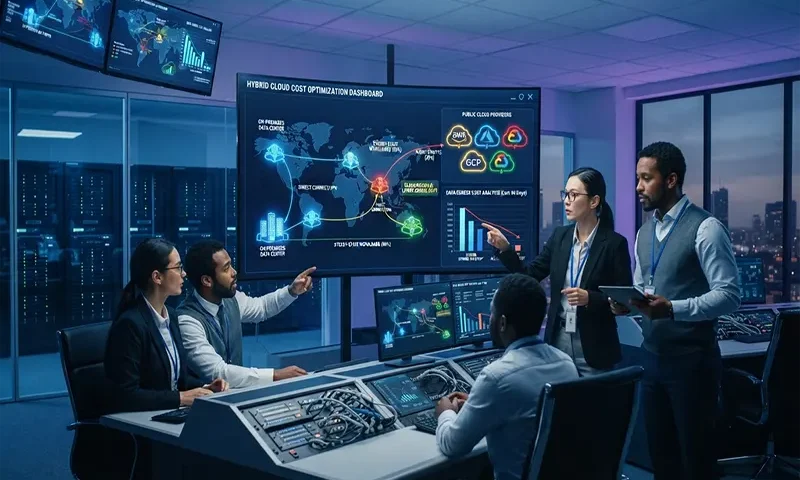
Hybrid Cloud Architectures to Minimize Data Egress Costs and Manage Steady-State Workloads

Hybrid Cloud Architectures to Minimize Data Egress Costs and Manage Steady-State Workloads

For many enterprise Chief Technology Officers, opening the monthly public cloud invoice brings a familiar kind of sticker shock. While public cloud providers offer unmatched elasticity for variable workloads, relying on them to host high-volume, predictable, steady-state operations introduces a silent financial drain: data egress fees.

Hyperscalers charge heavily to move data out of their ecosystems, across availability zones, or across geographic regions. For enterprises processing massive datasets, analytics pipelines, or media archives, these bandwidth tolls routinely erode profit margins. To regain control of runaway cloud expenditure, organizations are implementing strategic hybrid cloud architectures designed specifically to eliminate unnecessary egress charges and optimize steady-state workloads.

The Hidden Financial Trap of Public Cloud Data Egress

Public cloud adoption is governed by an asymmetrical pricing model: getting data into the cloud is typically free or inexpensive, but getting data out is aggressively monetized.

  • The One-Way Tollbooth: Every time data is transferred
Read the rest >>>>
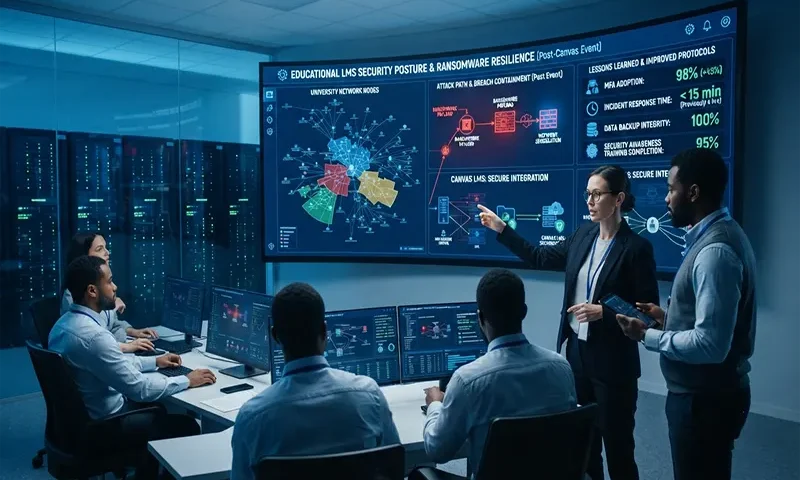
Lessons Learned from the Canvas Learning Management System Ransomware Attack and Data Breach

Lessons Learned from the Canvas Learning Management System Ransomware Attack and Data Breach

The massive cyberattack and data breach targeting the Canvas Learning Management System (LMS) serves as a watershed moment for institutional IT governance and educational cybersecurity. As centralized learning platforms aggregate massive volumes of sensitive academic records, communication history, and personal disclosures, they have become prime high-value targets for sophisticated extortion groups.

The incident—marked by unauthorized data exfiltration, service defacements during final examination periods, and complex vendor negotiations—offers critical lessons for educational institutions, Chief Information Security Officers (CISOs), and technology vendors alike.

The Anatomy of Educational LMS Vulnerabilities

Educational ecosystems present unique structural challenges that threat actors actively exploit:

  • Sprawling Digital Perimeter: Modern LMS platforms do not operate in a vacuum. They are deeply interconnected with third-party Learning Tools Interoperability (LTI) plugins, cloud storage tiers, and external administrative directories.
  • The Risk of Secondary Entry Points: Attackers frequently bypass heavily secured core production clusters by probing peripheral, lower-security environments—such as legacy testing
Read the rest >>>>
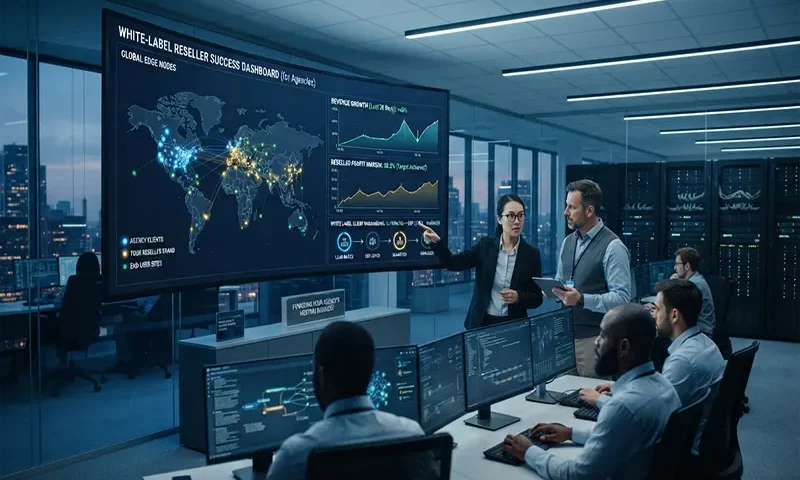
How to Build a Profitable White-Label Reseller Web Hosting Business for Agencies

How to Build a Profitable White-Label Reseller Web Hosting Business for Agencies

Digital marketing agencies and web design studios frequently fall into the classic cash-flow trap: relying entirely on volatile project-based fees and unpredictable design retainers. When a website launch is complete, revenue stops—even though the client continues to rely on the agency for ongoing updates, security, and uptime.

The most effective way to break this cycle and unlock predictable, high-margin monthly recurring revenue (MRR) is by packaging and reselling web hosting. By building a white-label reseller web hosting business, agencies can centralize client infrastructure, elevate brand authority, and turn routine maintenance into a lucrative, recurring income stream.

The Business Case: Why Agencies Should Sell Hosting

Historically, many agencies recommended third-party web hosts directly to clients, leaving the client to manage billing, direct support, and server environments. This approach is a missed opportunity for three critical reasons:

  • Escaping Project Volatility: Hosting transforms one-off design projects into predictable, monthly subscriptions that compound
Read the rest >>>>
Adopting Application Containerization to Optimize High-Density Infrastructure for Generative AI Workloads

Adopting Application Containerization to Optimize High-Density Infrastructure for Generative AI Workloads

Deploying generative AI models—such as large language models (LLMs), multimodal engines, and diffusion pipelines—at enterprise scale presents unprecedented infrastructure challenges. Chief among them is the staggering cost and scarcity of specialized hardware. Running resource-intensive AI models on monolithic bare-metal servers or legacy virtual machines frequently leads to severe resource fragmentation, idle compute waste, and inefficient GPU utilization.

To maximize compute density and control skyrocketing cloud expenditure, enterprise platform teams must move away from traditional deployments and adopt application containerization tailored for high-density generative AI workloads.

The Infrastructure Bottlenecks of Uncontainerized GenAI Workloads

Managing generative AI applications without containerization introduces profound architectural friction that hampers both scaling and cost-efficiency.

  • Dependency Hell and Environment Drift: Modern AI stacks rely on fragile, tightly coupled dependencies—specific Python versions, exact CUDA toolkit builds, specialized tensor libraries, and optimized driver versions. Managing these natively across multiple servers leads to constant version conflicts and environment drift.
  • GPU
Read the rest >>>>