
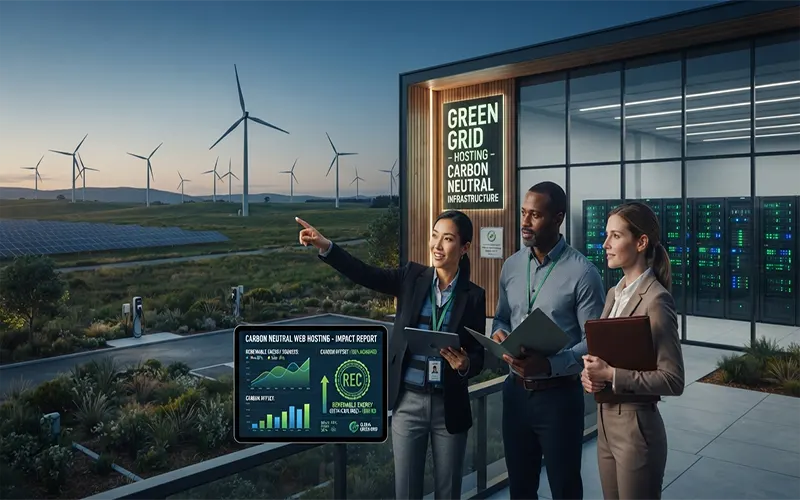
The internet has a massive, often invisible carbon footprint. Global data centers, cooling systems, and network infrastructure consume more electricity than entire nations, contributing significantly to global greenhouse gas emissions. As corporations, nonprofits, and digital consumers increasingly prioritize sustainability, the demand for eco-friendly digital infrastructure is surging.
For entrepreneurs and forward-thinking IT professionals, launching a green web hosting business is no longer just an ethical statement—it is a high-growth, differentiated business opportunity. By leveraging Renewable Energy Certificates (RECs) and energy-efficient architecture, you can build a profitable, carbon-neutral hosting company without needing to build physical data centers from scratch.
The Environmental Imperative and Market Opportunity
Traditional web hosting infrastructure runs 24/7, drawing massive amounts of electricity from local power grids that are often heavily reliant on fossil fuels.
- The Scope 3 Challenge: Enterprises and digital brands are under intense regulatory and consumer pressure to reduce their Scope 3 emissions (indirect supply chain emissions, which include website hosting and digital operations).
- The Danger of Greenwashing: Consumers are increasingly skeptical of vague “green” claims. To succeed, a modern green hosting business must rely on transparent, verifiable environmental accounting rather than superficial marketing badges.
- The Conscious Consumer Advantage: Modern brands actively seek out sustainable vendors, allowing green hosting providers to command premium pricing and secure fiercely loyal, values-aligned clients.
Core Pillars of a Carbon-Neutral Hosting Model
Building a legitimate, carbon-neutral hosting business requires a structured approach to environmental accounting and infrastructure partnerships:
- Purchasing Renewable Energy Certificates (RECs): Since web hosts rarely own the physical power grid, RECs serve as the legal instrument to prove renewable energy usage. For every megawatt-hour (MWh) of electricity your servers consume, you purchase an equivalent REC generated by wind, solar, or hydroelectric facilities, effectively matching your power draw with clean energy generation.
- Energy-Efficient Infrastructure Partners: Partner with upstream colocation or white-label reseller providers that operate Tier-3 or Tier-4 green data centers. Look for facilities boasting low Power Usage Effectiveness (PUE) ratios, advanced free-cooling technologies, and aggressive hardware recycling programs.
- Transparent Carbon Auditing: Publish clear, verifiable reports detailing how your energy usage is calculated, offset, and verified by recognized third-party environmental organizations.
Step-by-Step Launch Framework
Launching a certified carbon-neutral hosting business requires a methodical roadmap from infrastructure sourcing to ethical marketing.
Step 1: Selecting Green Infrastructure Partners
Partner with backend infrastructure providers that prioritize energy efficiency and renewable energy procurement. Many top-tier wholesale and reseller hosting networks now offer carbon-neutral data center options, allowing you to build your white-label brand on top of sustainable foundations.
Step 2: Securing REC and Carbon Offset Verification
Formalize your sustainability claims by purchasing verified Renewable Energy Certificates through accredited registries. Ensure that your offsets align with your actual server load and geographical operational footprints to maintain absolute legal and ethical integrity.
Step 3: Crafting Sustainable Service Packages
Package your hosting into specialized, eco-friendly offerings:
- Green WordPress & WooCommerce Tiers: High-speed, optimized hosting plans marketed specifically to sustainable e-commerce brands and eco-conscious creators.
- Green Agency Hosting: White-label reseller packages designed for digital marketing agencies striving to meet their own corporate sustainability goals.
- Carbon-Neutral Badges: Provide clients with verifiable digital badges to display on their websites, showcasing that their digital footprint is 100% powered by renewable energy.
Step 4: Marketing Your Eco-Credentials Ethically
Avoid greenwashing by being completely transparent. Feature your REC purchase certificates, data center PUE metrics, and clear environmental impact reports directly on your website. Authenticity is your strongest marketing asset.
Monetization and Brand Differentiation
Sustainability serves as a powerful unique selling proposition (USP) in a crowded commodity market:
- Justifying Premium Margins: Eco-conscious consumers and enterprises are willing to pay a premium for services that align with their environmental values, boosting your Average Revenue Per User (ARPU).
- B2B Contract Wins: Many corporate and institutional buyers are contractually required to procure IT services exclusively from verified sustainable vendors.
Starting a carbon-neutral green web hosting business allows entrepreneurs to merge commercial profitability with urgent ecological responsibility. By combining high-performance infrastructure, white-label scalability, and verified Renewable Energy Certificates, you can turn climate action into a powerful, differentiated engine for long-term business growth.

Selecting a Dedicated Server for your website can be a challenging task given the number of options available in the Read more

There are different types of web hosting services available to website owners. These include Shared hosting, cloud hosting, Virtual private Read more

You can start a website for free with a free web hosting company. However, free web hosting comes with a Read more

A web hosting service is the organization that provides a space to store a website. The web host manages the Read more